We may earn a commission when you buy through links on this page.
Buyer's guide
Camera, audio only or a display
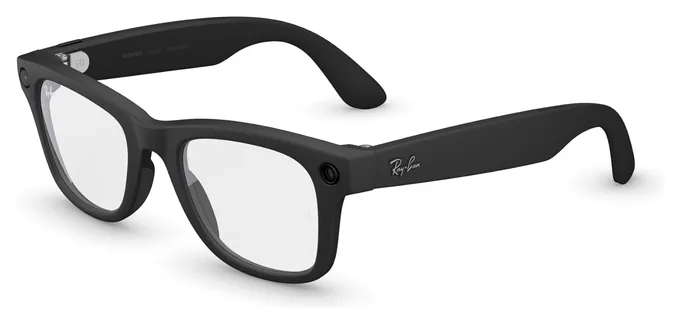
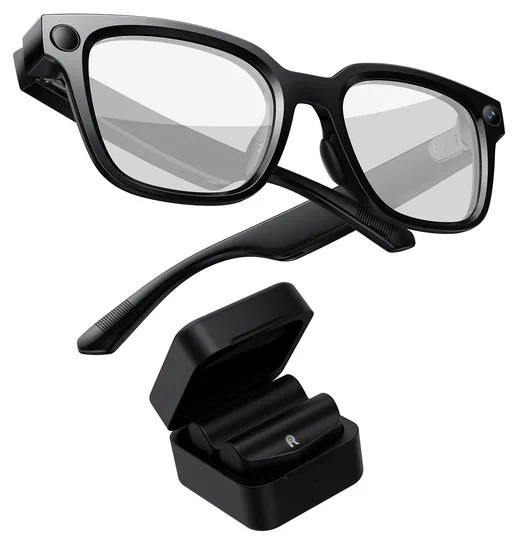
Most AI glasses have a camera, microphones and open-ear speakers but no screen: the assistant talks to you, and photos land in an app on your phone. Camera-free models such as Ray-Ban Meta Audio keep the speakers and the assistant, last longer per charge and draw fewer stares. Screenless glasses dominate sales; Counterpoint Research found 96% of buyers chose them, as Gadget Flow notes.
Smart glasses with a display put small text or images in the lens for captions, directions and speaker notes. The best-reviewed ones aren't sold on Amazon: Even Realities G2 (from $599, green text, no camera, about two days per charge), Meta Ray-Ban Display ($799, a color screen in one lens plus a wristband that reads finger gestures) and Halliday. The Gadgeteer compares several of them. Screen glasses from XREAL and others are a different thing again: they plug into a phone or laptop by cable to show a big private movie screen, with no assistant. If translation or meeting notes matter most, our guides to translation earbuds and AI voice recorders may fit better.
Phones, prescriptions, battery and fees
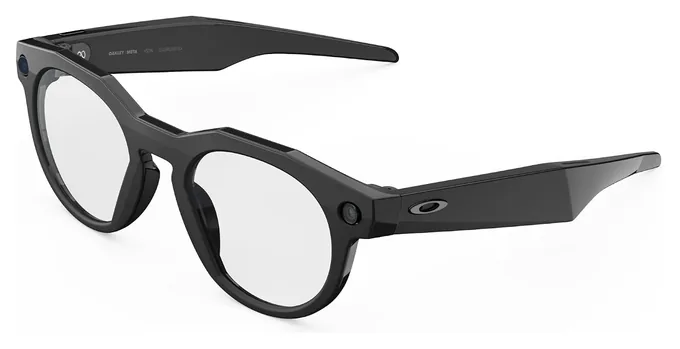
Ray-Ban Meta and Oakley Meta glasses pair with an iPhone or Android phone through the free Meta AI app, and Rokid uses its own app. None of our picks charges a monthly fee for its main features. Some rivals do: Solos charges $9.99 a month for extra ChatGPT features after a free trial, and HTC's Vive Eagle ties live translation to a paid plan.
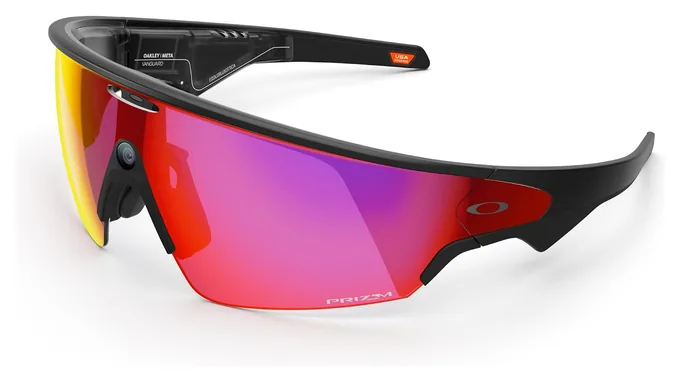
Lens upgrades add up. Ray-Ban Meta Gen 2 starts at $379 with clear lenses, $409 polarized and $459 with Transitions, and prescription lenses can cost significantly more, according to Engadget. Rokid's frames accept very strong prescriptions, up to plus or minus 15 diopters. For a wraparound sports shield, ask the maker about prescription options before you buy.
Battery claims assume mixed use. Camera glasses run about four to nine hours, the camera-free Ray-Ban Meta Audio about 12, and charging cases add roughly a day and a half to two days. Video and live translation drain them fastest. Ray-Ban Meta Gen 3, on sale since late September for about $450 to $530, adds an hour of battery, a slimmer frame and new Aviator and cat-eye styles; we'll weigh it once independent reviews catch up.
Privacy, recording lights and where to take them off
Camera glasses show a small light on the front while they record, but it's easy to miss outdoors, and many people won't know what it means. Tell people before you film them, and take the glasses off, or wear a camera-free pair, in locker rooms, restrooms, hospitals, schools, courtrooms and offices that ban recording. Recording a conversation also falls under wiretap laws, and about a dozen U.S. states require everyone's consent.
Data is the other question. In the U.S., Meta keeps voice recordings from its glasses in the cloud unless you delete them in the app, and it may use voice commands and images you send to its assistant to train its AI, Engadget reports, though it says ordinary photos and videos aren't used for training or ads. What you say to Meta AI also shapes the ads you see, and more than 70 advocacy groups oppose Meta's face-recognition plans, per Gadget Flow. HTC says its Vive Eagle never sells your data or trains AI on it. Display glasses raise their own issue: the live transcription on Even Realities G2 gives the other person no sign that it's running.
Frequently asked questions
Do AI glasses work with iPhone and Android?
Yes. Ray-Ban Meta and Oakley Meta glasses pair with either kind of phone through the free Meta AI app, and Rokid uses its own app. The glasses lean on your phone's connection for answers and uploads, so keep it nearby. Photos and videos are saved on the glasses and copy to your phone when you open the app.
Do smart glasses need a subscription?
Not the ones we picked. Meta AI on Ray-Ban and Oakley glasses is free, and Rokid lists no fee for its assistant. Some rivals charge: Solos asks $9.99 a month for extra ChatGPT features after a free trial, and HTC's Vive Eagle ties live translation to a paid plan. Read the fine print on display glasses too, since some add paid features.
Can I get AI glasses with prescription lenses?
Yes. Ray-Ban Meta and Oakley Meta frames take prescription lenses through Ray-Ban, Oakley and many opticians, usually at extra cost. The camera-free Ray-Ban Meta Audio supports a wide range of prescriptions, and Rokid's frames accept very strong ones, up to plus or minus 15 diopters. Check with the maker before ordering a wraparound sports shield.
Are there smart glasses with a display?
Yes, but the best-reviewed ones aren't sold on Amazon. Meta Ray-Ban Display ($799) shows a small color screen in one lens and comes with a wristband that reads finger gestures, while Even Realities G2 (from $599) shows green text and has no camera. XREAL's screen glasses plug into a phone or laptop for movies and work, but they have no assistant.
How long does the battery last on AI glasses?
Camera glasses usually last four to nine hours of mixed use, and camera-free models about 12. The charging case adds roughly a day and a half to two days. Video and live translation drain them fastest: Engadget got about five and a half hours of nonstop music from Ray-Ban Meta Gen 2 glasses rated for eight hours of mixed use.
Is it legal to record with camera glasses?
In U.S. public places, filming what anyone can see is generally legal, but recording conversations falls under wiretap laws, and about a dozen states require everyone's consent. Gyms, hospitals, schools, courtrooms and many workplaces ban recording devices. Tell people when you're filming, keep the recording light uncovered and take the glasses off where cameras aren't welcome. This isn't legal advice.
Prices were checked on Amazon on November 16, 2026 and change often.
As an Amazon Associate, Speedwrite earns from qualifying purchases. We choose every pick ourselves; brands don't pay to be listed.