We may earn a commission when you buy through links on this page.
Buyer's guide
Choosing a lead size and grade
Most people do best with 0.5 mm lead. It makes a fine, neat line for notes, math and drafting, and refills are sold almost everywhere. Lead that's 0.7 mm thick is darker and sturdier, so it snaps less often and glides quickly through long lectures, which is why many U.S. schools stick with it. A 0.3 mm pencil suits tiny handwriting and detailed drawing, but it breaks often unless the pencil protects the lead.
The grade printed on the lead matters too. HB, the same as a No. 2 pencil, is the safe middle. B and 2B are softer and darker, so they need less pressure but smudge more. H grades are harder and lighter, which suits technical drawings. In a focus-group test by Your Best Digs, smooth lead that needed little pressure mattered more to testers than a fancy body. If you'd rather write in ink, see our picks for the best gel pens.
How pencils keep lead from breaking
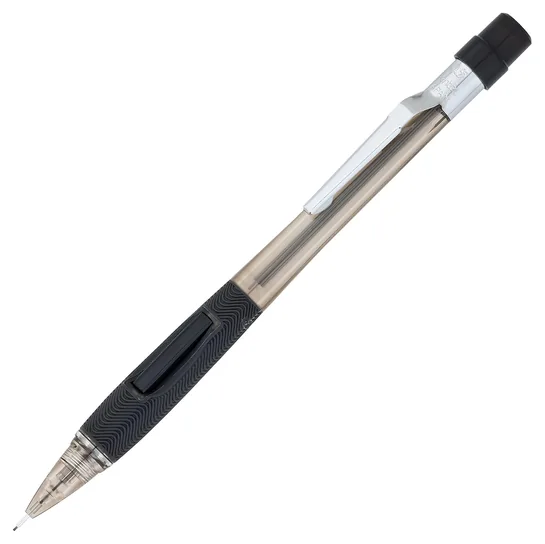
Lead snaps when it sticks out too far or when you press harder than it can take. Pencil makers fight that in a few ways. Cushioned pencils such as the Zebra DelGuard use springs that let the lead sink back under heavy pressure and push a sleeve forward when you write at an angle. In a home test by Bleistift, the DelGuard's lead was close to impossible to break when it stuck out a normal amount.
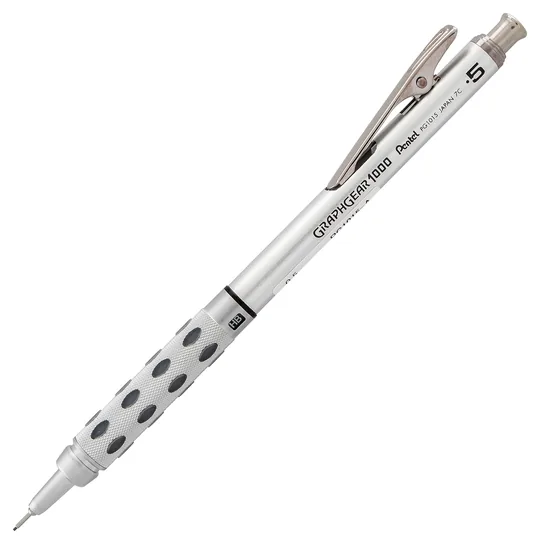
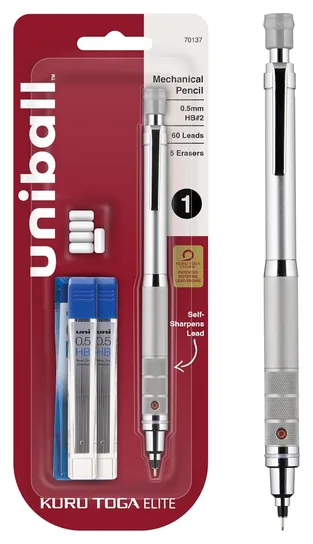
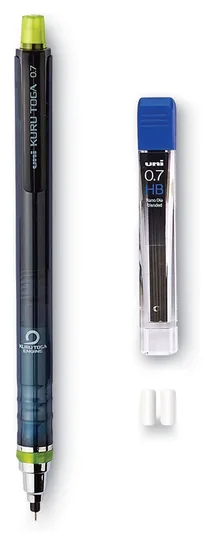
Rotating pencils such as the Uni Kuru Toga turn the lead slightly each time you lift it, so the point stays cone-shaped instead of wearing into a lopsided wedge that thickens your line. That helps most with handwriting, where you lift often, and less with long sketching strokes. Pentel's Orenz takes another route: its thin metal sleeve slides back as the lead wears, so the lead never sticks out unprotected. A retracting tip, like the one on the GraphGear 1000, mainly guards the lead in a pocket or bag.
Drafting pencils, metal bodies and fake Rotrings
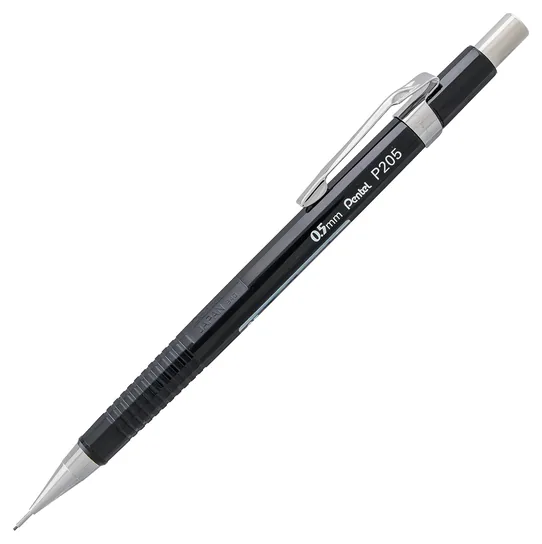
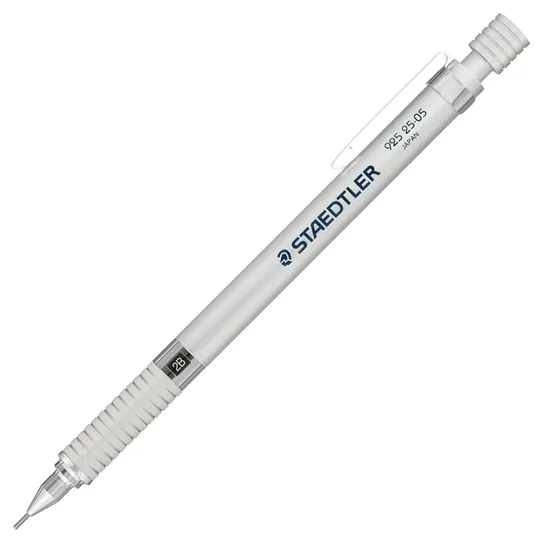
A drafting pencil has a long, thin metal tip, usually about 4 mm, that slides along a ruler or template while you still see the line. Most also show the lead grade and have a textured grip. The trade-off is that a fixed tip can poke through a shirt pocket or pencil case, which is why retracting tips exist.
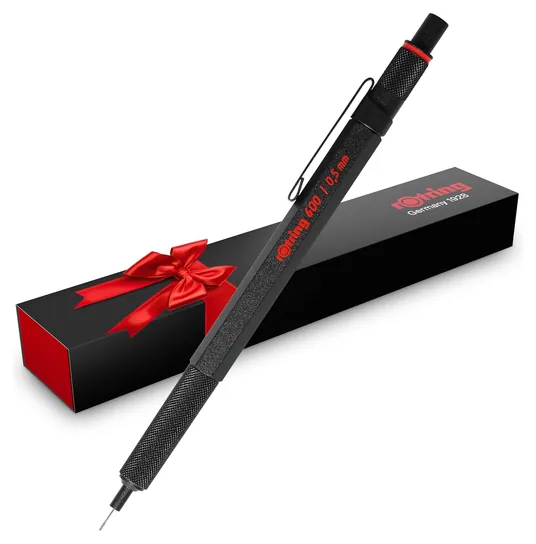
Metal bodies feel steady and last for years, but the extra weight tires some hands in long sessions. Plastic pencils are lighter and cheap to replace. Architecture Lab found the Staedtler 925 a close match for the Rotring 600 and preferred it for everyday writing.
Rotring pencils are widely copied. Look-alike listings use near-miss brand spellings, odd prices or blurry photos. Buy from a listing sold by Amazon itself or by Rotring's store, and check that the barcode on the box matches the pencil inside. A metal pencil also makes a thoughtful present; see our gifts for writers or, for ink fans, the best fountain pens.
Frequently asked questions
Is 0.5 mm or 0.7 mm better for a mechanical pencil?
For most people, 0.5 mm is the better all-around size because it draws a fine, neat line for notes, math and sketches. Choose 0.7 mm if you press hard, write fast or keep breaking lead, since the thicker lead is sturdier and darker. Artists and drafters sometimes keep both.
What is the best mechanical pencil for drafting?
A good drafting pencil has a long, thin metal tip that slides along a ruler, a firm grip and a lead grade marker. The Rotring 600 is the classic all-metal choice, the Pentel GraphGear 1000 adds a tip that retracts for pocket carry, and the Staedtler 925 25 is a lighter aluminum option.
Why does my mechanical pencil lead keep breaking?
Usually the lead sticks out too far or you're pressing harder than the lead can take. Click out only a millimeter or so, ease up on pressure, or switch to 0.7 mm lead. Pencils with cushioning springs, such as the Zebra DelGuard, absorb heavy pressure and make breaks much rarer.
Is the Kuru Toga worth it?
If you mostly write by hand, yes. The Kuru Toga turns the lead a little each time you lift it, so the point stays sharp and your letters keep the same width. It helps less with long drawing strokes, and its tip has a slight springy give that some people never get used to.
How do you refill a mechanical pencil?
On most pencils, pull off the cap or eraser at the top, drop two or three leads of the right size into the tube, then put the eraser back and click until the lead appears at the tip. Check the size printed on the pencil, because 0.5 mm lead won't work in a 0.7 mm pencil.
How can you tell if a Rotring 600 is fake?
Copies often have misspelled branding, rough knurling, loose parts or prices well below the usual range. Buy from a listing sold by Amazon itself or from a trusted art or drafting store, and check that the barcode on the box matches the pencil inside. If a deal looks too good, skip it.
Prices were checked on Amazon on October 23, 2026 and change often.
As an Amazon Associate, Speedwrite earns from qualifying purchases. We choose every pick ourselves; brands don't pay to be listed.