We may earn a commission when you buy through links on this page.
Buyer's guide
Free minutes and what subscriptions cost
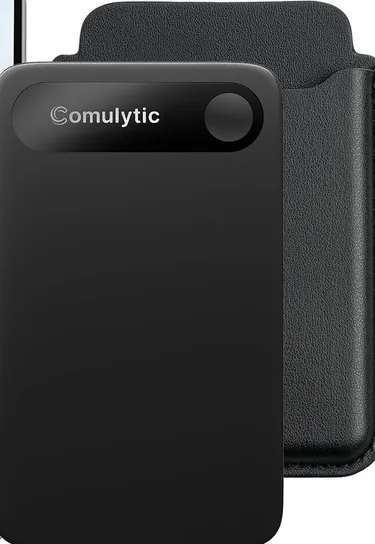
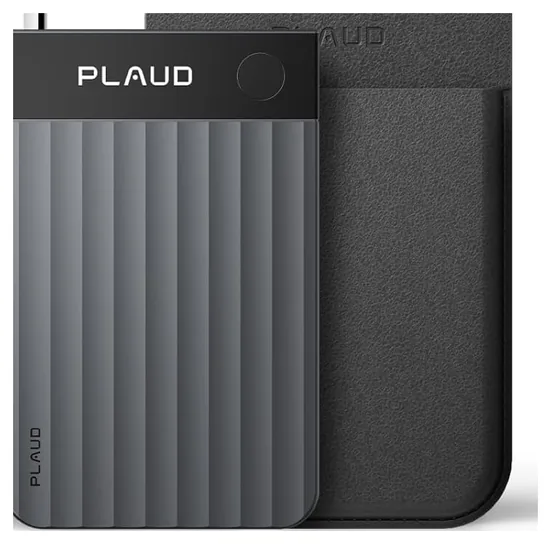
Every device here records without a subscription, because audio is saved on the gadget first. The meter runs on transcripts and summaries, which are made on the maker's servers. Plaud and Soundcore include 300 free minutes a month, while Mobvoi, Notta and Viaim include 600. Comulytic and Pocket don't cap free transcription, but they hold back deeper summaries and extra AI questions, and Pocket keeps free summaries for only 30 days.
Paid plans mostly cost about $100 to $240 a year. Plaud's Pro plan, for example, adds 1,200 minutes a month for $99.99 a year, and its Unlimited plan costs $239.99 a year, according to Plaud's plan comparison. Unused Plaud minutes don't roll over. Comulytic's Premium plan runs about $10 a month when billed yearly, per 9to5Mac.
A handy rule: an hour of meetings every workday adds up to about 1,300 minutes a month. If that sounds like your week, budget for a paid plan or choose a device without a cap.
Recording phone calls, and the consent rules
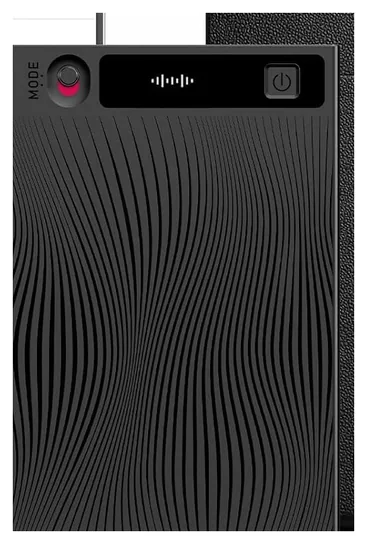
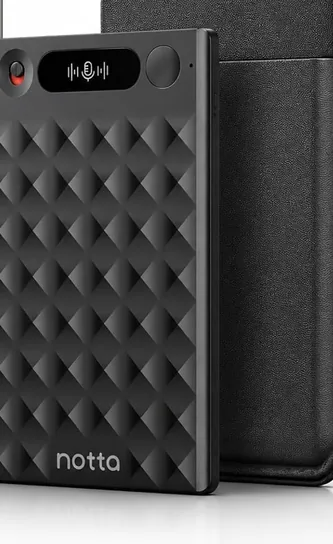
Card-style recorders catch calls with a vibration sensor that rests against the back of your phone and picks up both voices through the case, with no bot joining the line. That works only when the call plays through the phone itself, so headphones get in the way. Clip-on pins can't record calls at all, while recording earbuds capture the calls you take through them.
The law matters more than the hardware. Federal law lets you record a conversation you're part of with only your own consent, but about a dozen states, including California, Florida, Illinois, Maryland, Massachusetts, Pennsylvania and Washington, generally require everyone's okay. The Reporters Committee for Freedom of the Press advises following the stricter state's rule when people on a call are in different states. Other countries and many employers set their own rules too.
The simple habit: say you're recording at the start and wait for a yes. This isn't legal advice, so check with a lawyer before recording anything sensitive.
Privacy, data handling and battery life
Audio sits on the device first, but transcription and summaries happen on company servers, so you need an internet connection and some trust. Before buying, check where recordings are stored, whether you can delete them for good and whether the company promises not to train AI models on them. Plaud and Mobvoi say they never train on your recordings, and Soundcore says audio sent for transcription is deleted once the text comes back. Several brands list security audits, which Plaud details on its security page, but these are company claims. If your employer bans cloud tools, a regular recorder and a transcription app that runs on your own computer is the safer route.
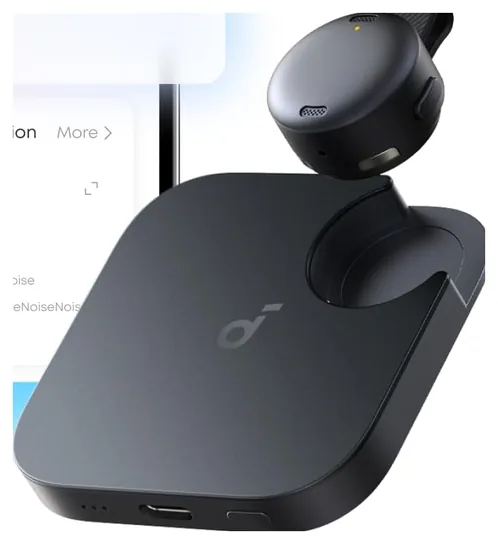
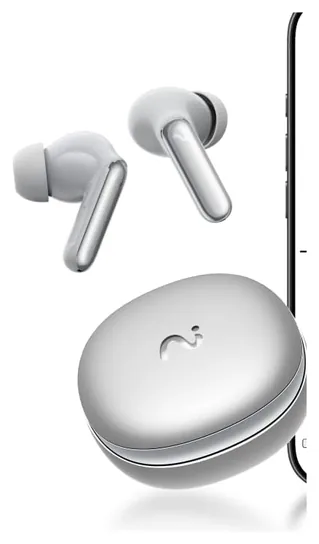
Battery claims vary a lot. Card recorders promise about 25 to 45 hours of recording, wearable pins about 20 and coin-size clips about eight before they need their charging case. Recording earbuds last about nine hours per charge. Standby time usually stretches to weeks, so a weekly top-up suits most people.
Frequently asked questions
Do AI voice recorders need a subscription?
No. All of them record and store audio for free, and most include free transcription every month, usually 300 to 600 minutes. Comulytic and Pocket don't cap free transcripts but limit extra features. If you record an hour or more of meetings most days, plan on a paid tier, which usually costs about $100 to $240 a year.
Can an AI recorder record phone calls?
Card-style models with a vibration sensor, such as the Plaud Note Pro, Mobvoi TicNote and Notta Memo, record both sides of a call when attached to the back of your phone. They can't hear calls taken on headphones. Clip-on pins can't capture calls, and recording earbuds handle calls you take through them.
Is it legal to record a conversation with an AI recorder?
In the U.S., federal law and most states allow recording if one person in the conversation agrees, and that person can be you. About a dozen states, including California, Florida and Pennsylvania, generally require everyone's consent. The safest habit is to announce the recording and get a yes. Rules differ in other countries and at many workplaces.
Do AI voice recorders work without internet?
They record and store audio offline, so you won't lose a meeting in a dead zone. Transcripts, summaries and search need an internet connection, because the AI runs on the company's servers. Recordings sync to your phone over Bluetooth or Wi-Fi and get processed once you're back online.
How long does the battery last on an AI recorder?
Card recorders usually claim 25 to 45 hours of recording, which covers a week or more of meetings. Wearable pins run about 20 hours, coin-size clips about eight on their own and recording earbuds about nine per charge, with their cases adding more. Standby time is usually several weeks.
Is an AI recorder better than a phone app?
A phone app can transcribe a meeting, but a dedicated recorder starts with one press, keeps your phone free during calls, uses mics placed for a table or a collar and doesn't drain your phone's battery. If you record only a meeting or two a month, a free phone app may be enough.
Prices were checked on Amazon on October 19, 2026 and change often.
As an Amazon Associate, Speedwrite earns from qualifying purchases. We choose every pick ourselves; brands don't pay to be listed.